The Healing Haven Now Trains Future Therapists | The Salt Lake City Therapist
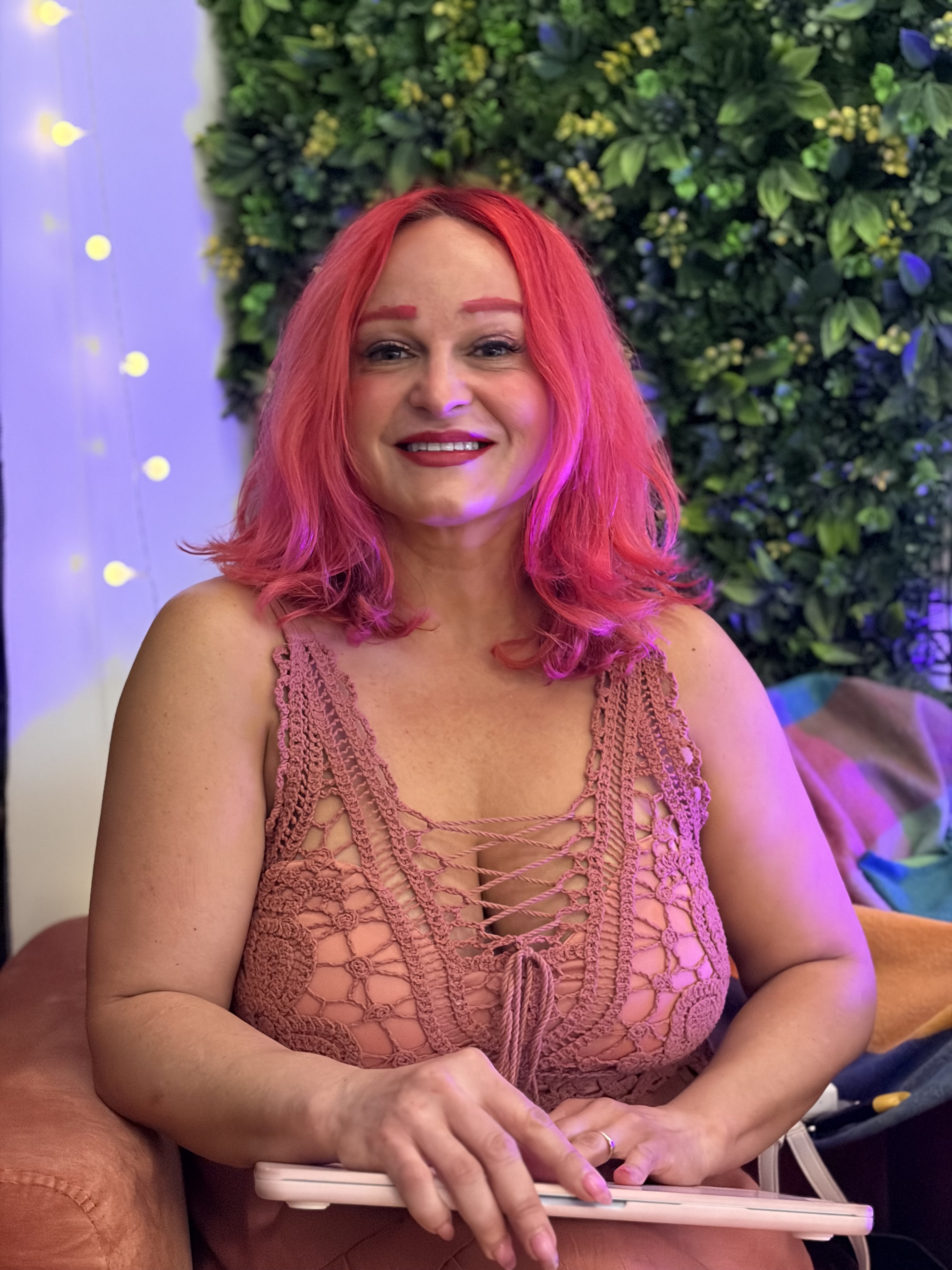
By Helen De-Lovely, LCSW — The Healing Haven SLC
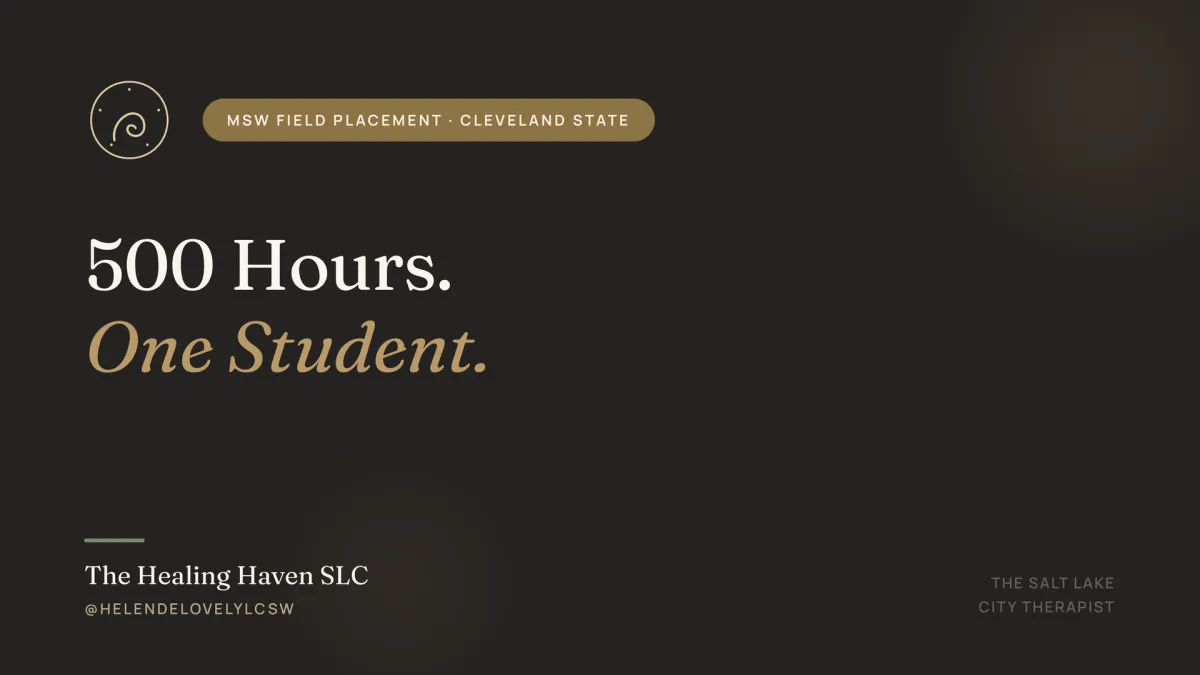
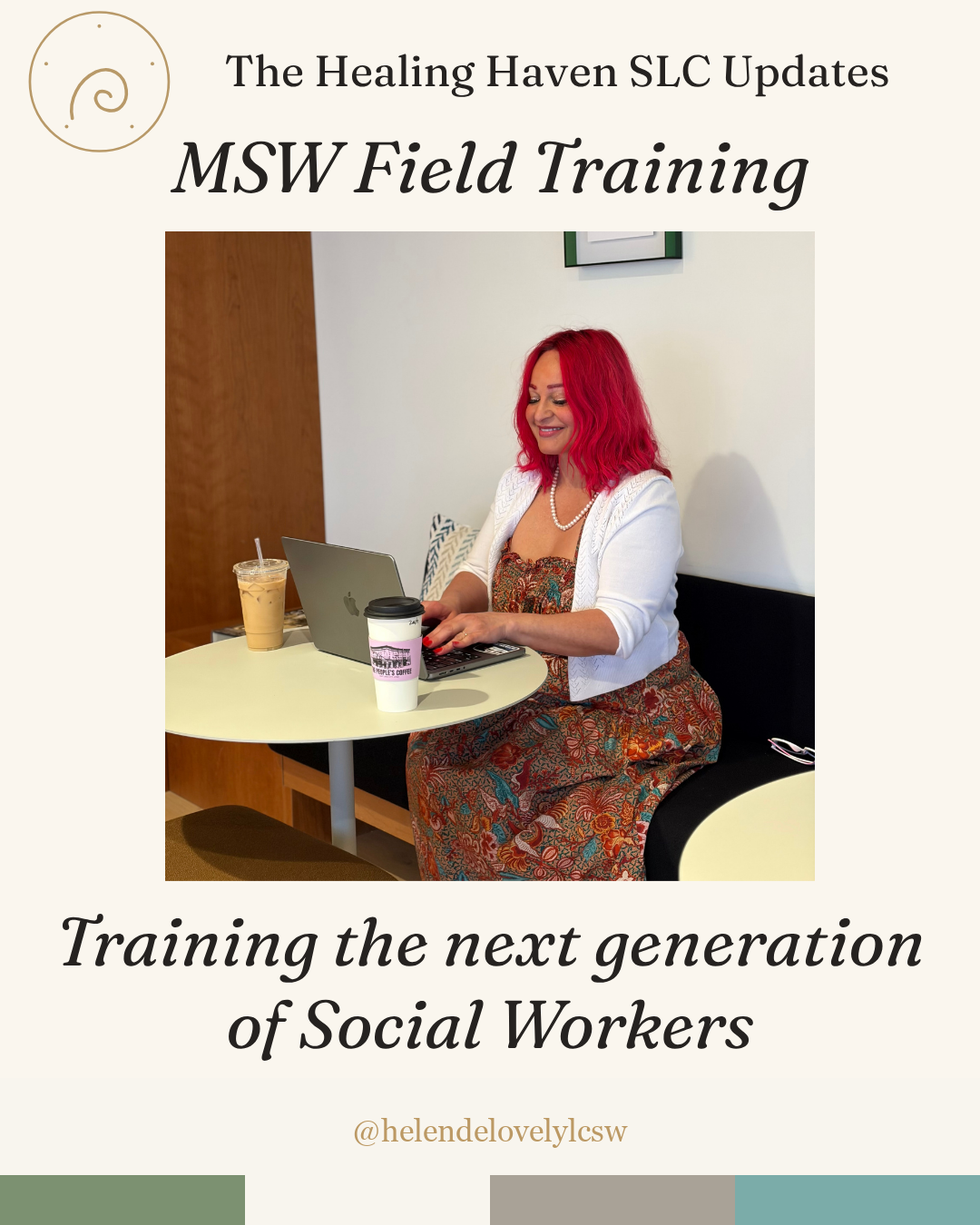
A few weeks after Leah joined the team, I signed something that’s been sitting with me for a while: The Healing Haven is now an official field placement site for Cleveland State University’s Master of Social Work program.
In plain terms, that means starting this fall, I’ll be personally supervising a graduate student through her clinical training — the same kind of placement that made me the clinician I am today. I earned my own MSW in 2001; someone gave me that room twenty-four years ago, and this year I get to give it back. I’ll introduce our student properly once she’s actually started with us in person. For now, I want to talk about the partnership itself, and why it matters.
Why I Said Yes
Every therapist you’ve ever trusted learned how to do this work somewhere, under somebody. Long before a license, before a private practice, before any of it, there was a supervisor who sat across from a nervous, unfinished version of us and said: keep going, you’re closer than you think.
I don’t take that lightly. When Cleveland State’s field education office reached out about hosting a student, my first thought wasn’t about capacity or growth — it was about what kind of therapist I’d want training in a room like mine. Someone who takes precision seriously. Someone who can hold a boundary and hold warmth at the same time. Someone willing to be supervised closely, because good clinical work gets built in the room with a mentor, not around one.
So when I said yes, I said yes to being that person for someone else.
What “Field Placement” Actually Means
If you’ve never worked in social work, the term probably sounds vaguer than it is. A field placement is where a graduate student completes hundreds of hours of supervised, hands-on clinical work before they can graduate and sit for licensure. It isn’t a classroom exercise — it’s real clinical work, with real oversight, built entirely around getting it right before anyone practices on their own.
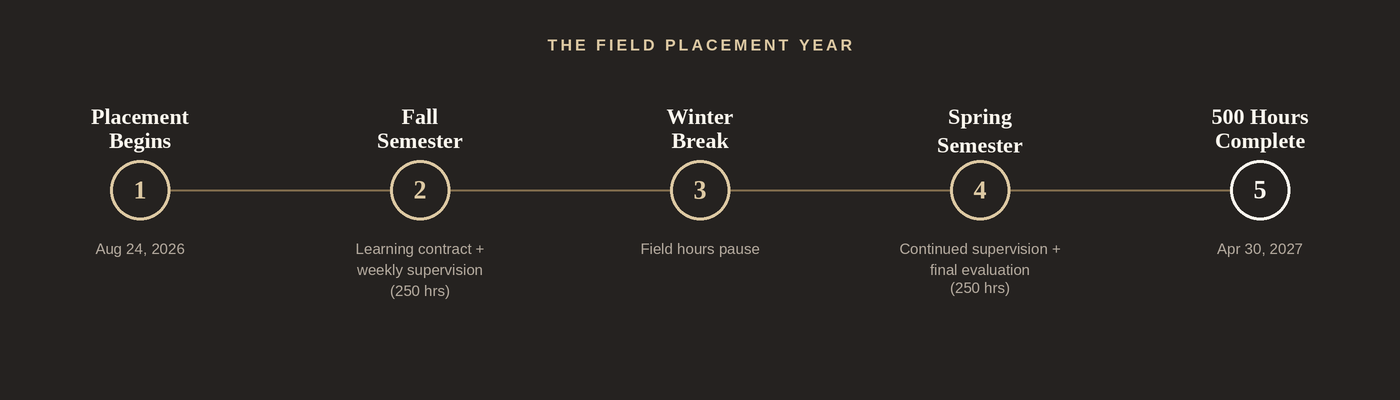
For this placement specifically: 500 hours across two semesters, 17 hours a week — late August through early December, then mid-January through the end of April. Every week, I sit down with my student for a full hour of individual supervision. Every semester, I formally evaluate her against the core competencies her program requires — the same kind of competencies that shaped my own training once.
What a Student Gets Here That a Big Agency Can’t Offer
Here’s the case I’d make to any clinical-year MSW student weighing a small practice against a large agency: at an agency, you’re one of a cohort. Here, you’re the only one. I train one student at a time — on purpose — because depth is the whole point.
A protected weekly hour of individual supervision with me,twenty-four years into this work. Not a rotating supervisor pool. Not group-only supervision. That hour goes on my calendar before anything else does.
Training in the approaches most placements can’t offer a trainee:EMDR-informed trauma care, nervous-system and somatic approaches, ADHD-affirming therapy, and LGBTQ+ affirming practice. Not a specialty elective — the actual day-to-day of this practice.
The full clinical arc,engagement through termination, across individuals, families, and groups — including co-designing and co-facilitating a nervous-system-regulation skills group that will become a real offering for our community, with your fingerprints on it. Nothing here is busywork.
An honest education in the trauma field itself.We read the evidence together, and you’ll leave knowing how to tell solid trauma science from marketing dressed up as science — a skill I wish someone had handed me in 2001.
A front-row seat to how care actually reaches people:what out-of-network really means for families, what it takes to bring Medicaid trauma care to Utah. Policy stops being abstract when you watch it decide who gets help.
This year’s placement is filled. But if you’re an MSW student — at Cleveland State or anywhere else — who wants trauma-focused clinical training in Salt Lake City in a future year, I’d love to hear from you early. Start at ourfield education page, talk to your school’s field education office, and tell me what kind of therapist you want to become.
What This Means for You
If you’re a current or future client reading this, this section is yours — and I want to be more than transparent. I want to be unmissable.
What doesn’t change: every client at The Healing Haven is still my responsibility, full stop. Any clinical work our field placement student does here is supervised directly by me, every week, for the entire length of her placement — nothing happens outside of that oversight. And before she has any contact with clients at all, she completes the same privacy and confidentiality training my staff do, and is bound by the same rules.
What will never happen: a student in your session without your explicit, written consent — given before she is ever in the room.
“No” is a complete answer.Declining student involvement never affects your care, your scheduling, or your relationship with me — not even slightly. And you can change your mind at any time, including in the middle of a session. Say the word, and she steps out. No explanation needed.
For EMDR and somatic work, I hold an even higher bar. That work is deeply personal, and if another person in the room would change how safe or settled you feel — even a little — then the right answer is no, and I would rather you say so.
What might open up, over time: later in the training year, some clients choose to work with a closely supervised student directly, at a significantly reduced private-pay rate. For some people in our community, that’s the difference between starting therapy now and waiting another year. If it becomes available, it will always be an option — never a substitute for care with me.
Some clients have told me it feels genuinely meaningful to be part of this — that a therapist helping someone in Salt Lake City five years from now will have learned the craft partly in their sessions. That’s a beautiful thing to opt into. And it is always, only, an opt-in.
Why This Matters More Than It Might Seem
I built The Healing Haven because I believe people deserve care that feels like someone actually cares. That belief doesn’t stop at my own client hours — it’s exactly why training the next generation of therapists matters to me. Utah needs more trauma-trained therapists than it has, and complaining about the shortage helps no one. Training someone does. If I can help shape one more clinician who takes boundaries, precision, and warmth as seriously as I do, that’s one more person, somewhere down the line, doing this work the way it deserves to be done.
There’s a quieter benefit too, and my clients get it for free: therapists who teach get sharper. Every question a bright student asks makes me re-examine something I’ve done on instinct for twenty-four years.
This is also just the start. Cleveland State is our first field placement partner, and I’d love for it not to be the last. If you’re a field education office and you’re looking for a supervisor who takes this seriously, reach out.
And keep an eye on this blog — I’ll be introducing this year’s student properly once she’s started with us in person.
Ready to Reach Out?
Phone or text:(385) 443-4045
Email: [email protected]
The fastest path to getting started is still a free 15-minute consult— we’ll answer your questions and figure out together whether this is a fit. No commitment required.
The Healing Haven SLC | 250 E 200 S, Suite 1521, Salt Lake City, UT 84111
(385) 443-4045 | [email protected]