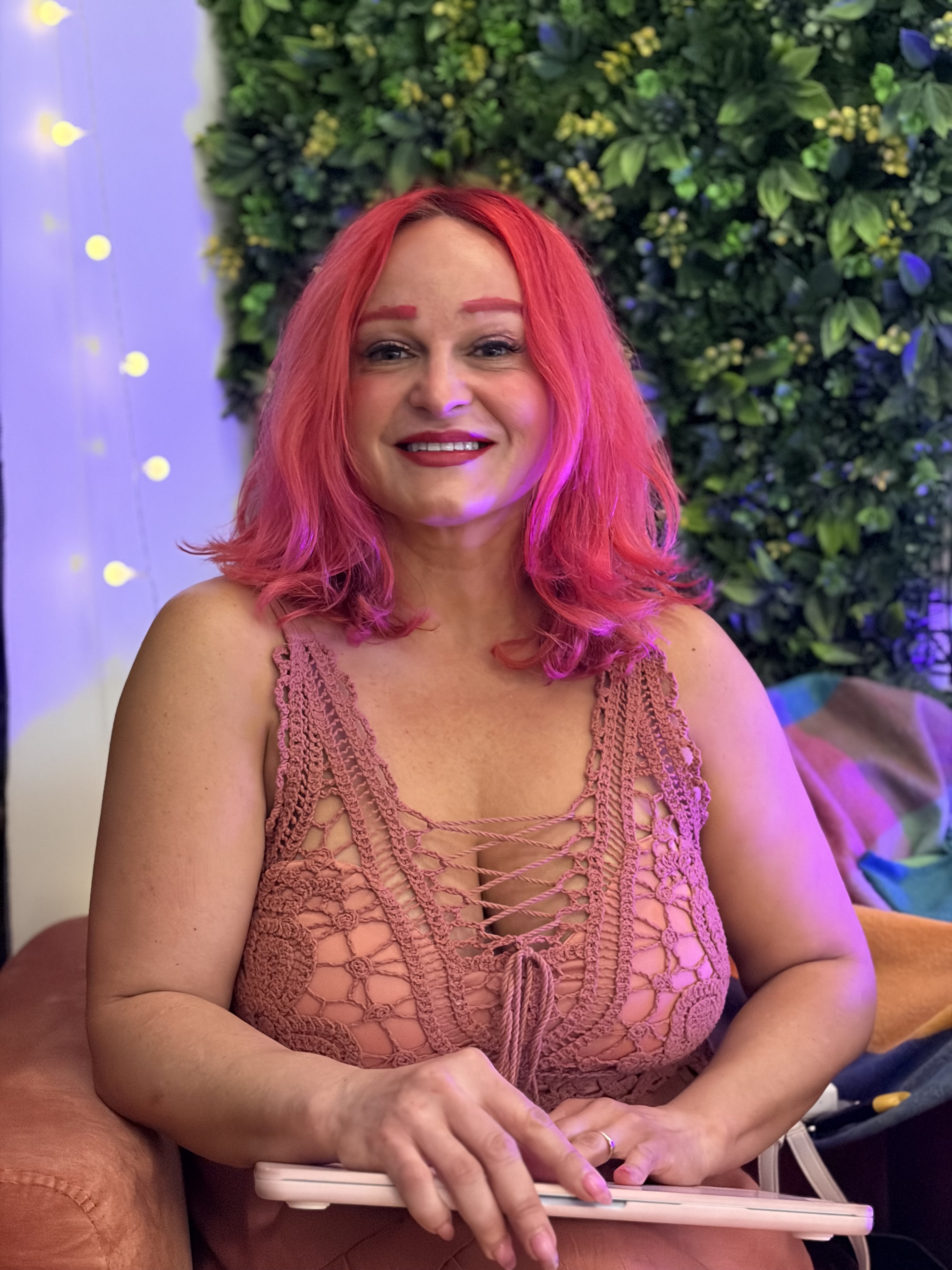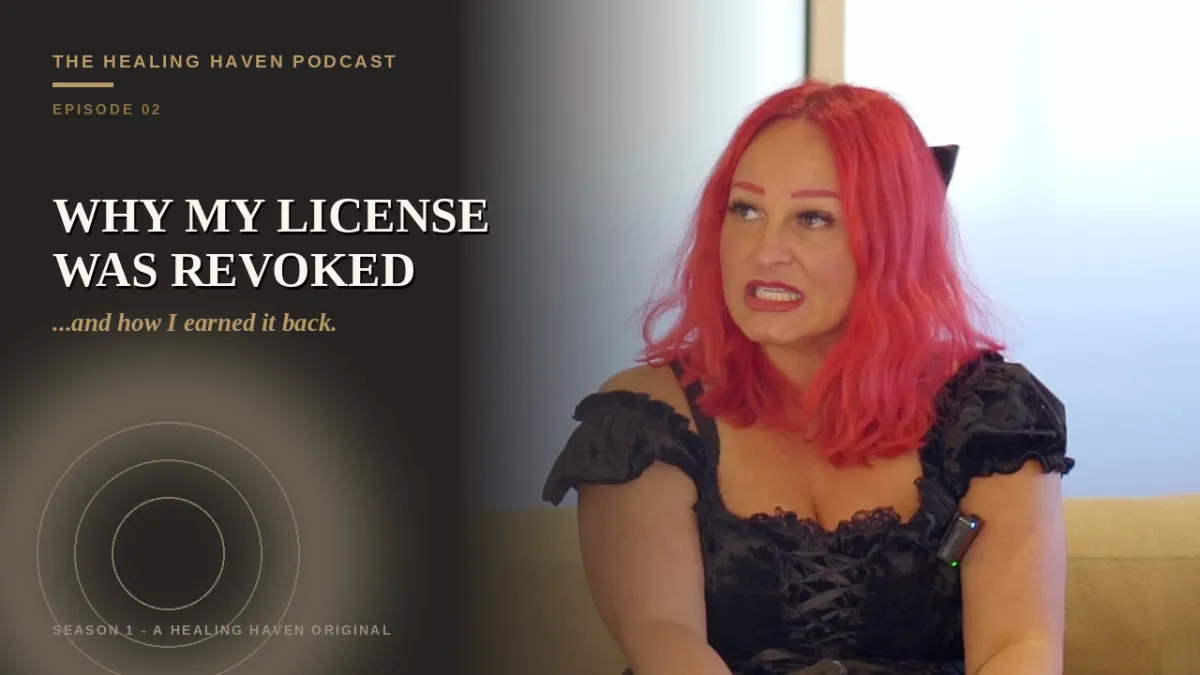
Why My License Was Revoked — and How I Earned It Back
If you've Googled my name, you've seen it. A one-star review, always the same script: she had her license revoked, her clients should know.
Here's the thing. It's true.
My license was revoked in 2006. I was twenty-something. I practiced under probation when I earned it back. All of that is public record with Utah's Division of Professional Licensing, and I'd rather you look it up than take my word for it — or theirs.
What isn't true is everything the review leaves out. So a few weeks ago, in front of a live group at The Healing Haven, I sat on a couch with a microphone and told the whole thing. Episode 2 of The Healing Haven Podcast is fifteen minutes long and it's unscripted. This post is the written version, with a few things I've learned since we hit record.
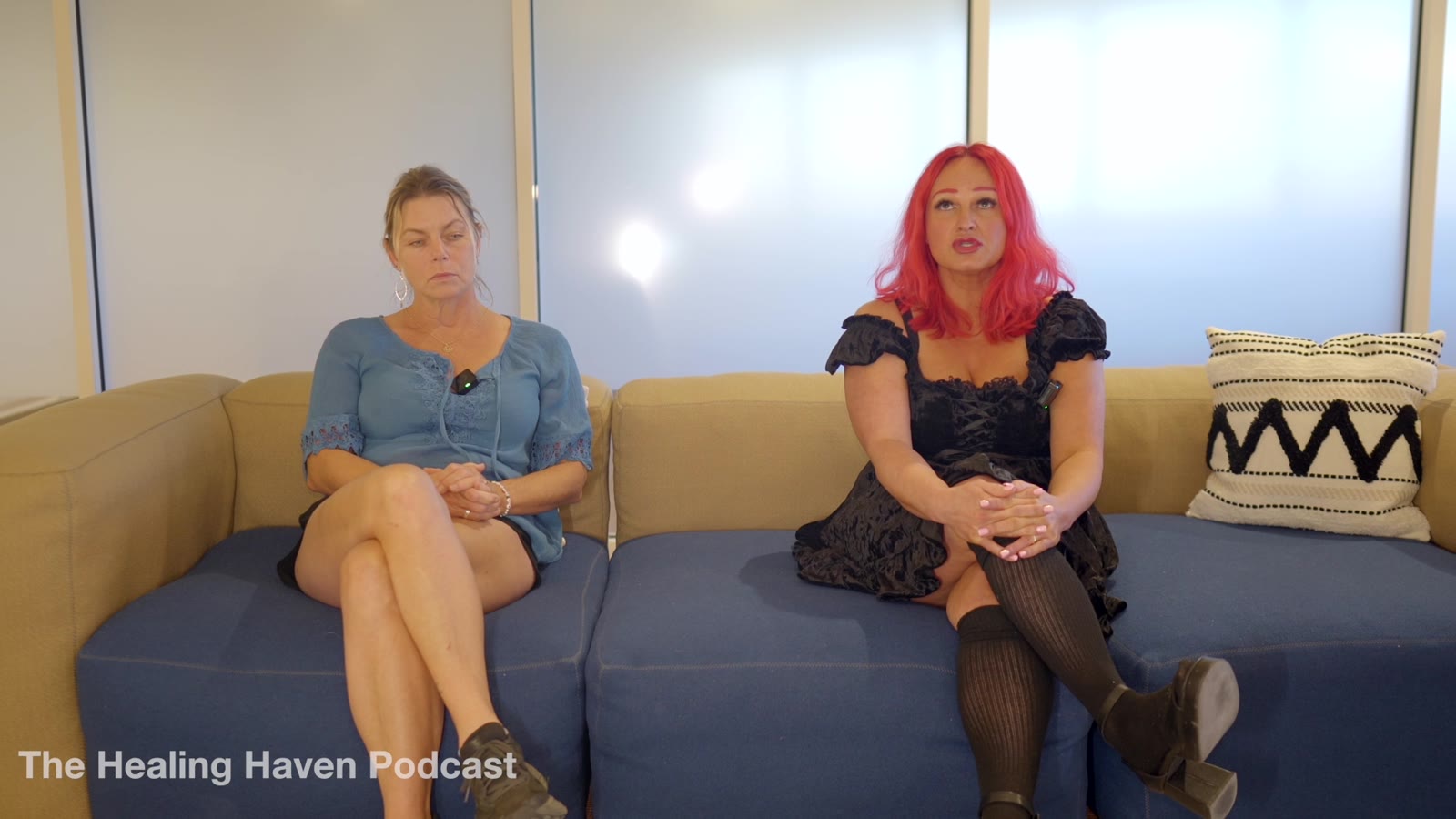
I'll warn you now: it's not a flattering story. That's the point.
2006
I graduated with my master's at twenty-two. I was fully licensed at twenty-four. By twenty-five I had opened my own practice — and I was doing all of it. The sessions, the billing, the scheduling, everything.
For two years, I did not have a day off except for Christmas Day. — 10:18
I was also going through a divorce. And I got involved with a client. Someone about twenty years older than me, who was on probation at the time. It was a romantic relationship, and it was wrong. It went against the ethics of my profession. I knew better, and I did it anyway.
When the board asked me to clarify what had happened, I did the worst possible thing. I hid.
I was so ashamed, so humiliated, couldn't believe this was happening to me. — 2:18
This kind of violation is, unfortunately, not rare in my field, and boards see it. If I had shown up, engaged, and given them what they asked for, I would very likely have been put on probation for a year or two and kept my license. Instead I let shame do the talking. And in 2006 the State of Utah revoked my license.
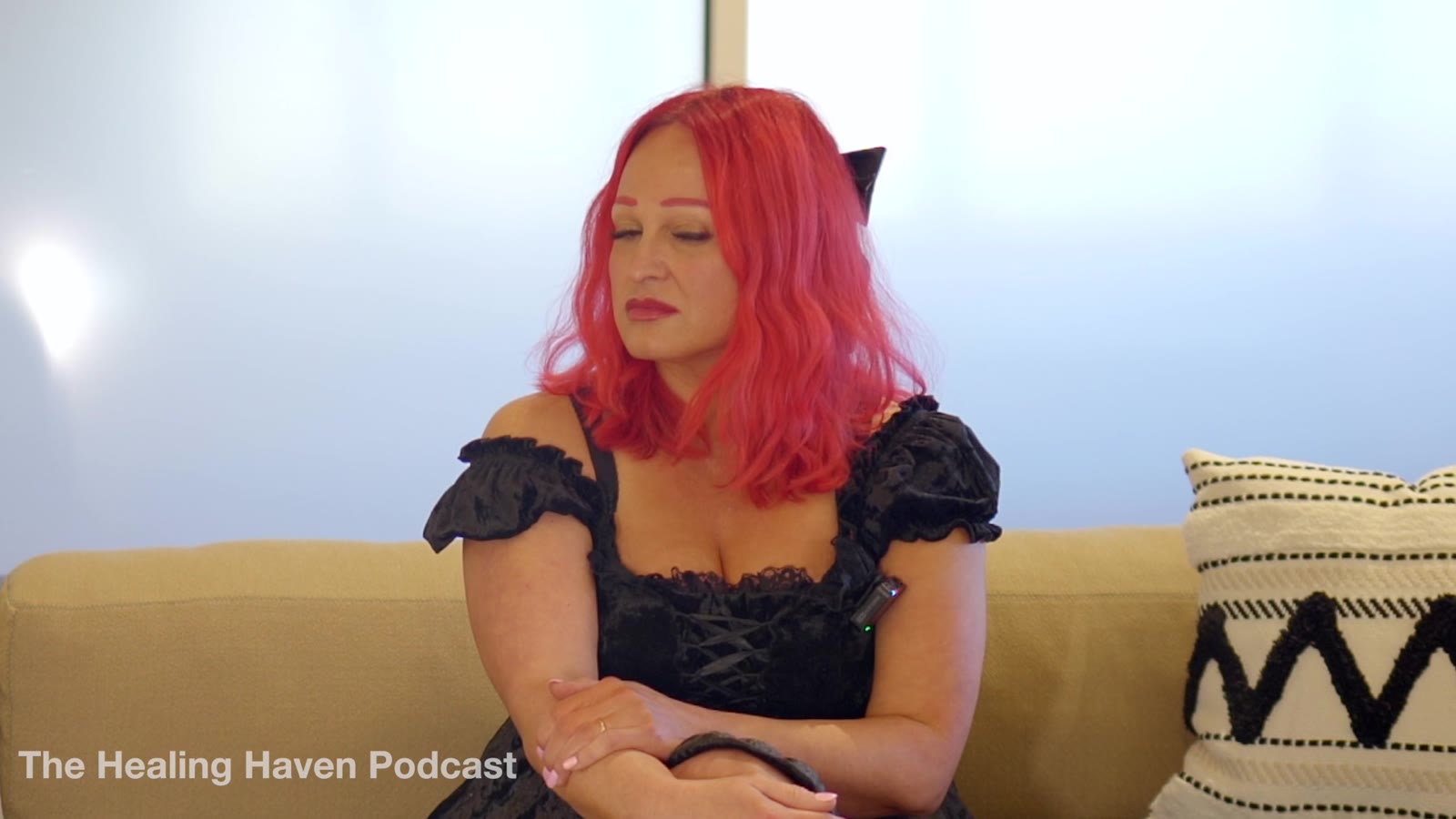
Denied. Denied. Told to let it go.
They told me I could reapply in two years. So two years later, I applied. I was denied.
Two years after that, I applied again. Denied again.
My husband at the time — my therapist, effectively — sat me down and said the thing everyone around me was thinking:
Helen, let this go. This is not ever gonna happen. You are never gonna get your license back. This is just a part of you that is in the past. — 3:32
On the couch, the interviewer asked me whether that broke my heart, and whether I believed it. I took a long time to answer.
No, I didn't believe it. My life has told me that if you believe in something, you don't abandon it. Not ever. I believed in myself as a therapist. — 3:54
Being a therapist wasn't a job I'd lost. It was a piece of my identity that had been cut out, and I spent more than a decade walking around with the hole.
COVID, and the third try
It wasn't until 2020 that the door cracked open. Everyone needed a therapist. Nobody could find one. The licensing division had gone through, I think, its third bureau manager, and I convinced him to give me a shot — because it was COVID, because everyone needed therapy, and because I had a strong argument.
He gave me my license back under three years of probation.
I want to be honest about what that felt like, because "probation" sounds administrative and it wasn't.
Every three months I had to meet with the board. And it was horrible. They just made you feel like you were a criminal. — 5:09
To be employed at all, I had to find an employer willing to take on the extra supervision, the extra paperwork, the extra reporting that a clinician on probation requires — and then convince them that I was worth it. I had to believe in myself hard enough to put myself out there, over and over, to people who had every reason to say no.
I did all three years. I've now been off probation for almost three years. And I have my own clinic again — one that is thriving.
I believe in what I'm doing, and I believe in second chances, and I believe in recovery, and doing the work that we need to, in order to make things right. — 6:13
The first time, my practice took three years to build and I lost it. This time, The Healing Haven took under six months to open. The difference wasn't that I got better at therapy. It's that I stopped doing it alone.
About my name
The reviews have recently added a new line: that I changed my name "while going through the disciplinary process." Let me tell you about my name.
I was given a birth name. Then an adopted name. Then a first husband's last name, then a second husband's — Shumway, then Allred. Four names, none of them chosen by me.
I decided that I wasn't gonna do that anymore. I picked my own name. I used half my maiden name, Decker — D — and then Lovely. — 6:59
De-Lovely. It feels like me. It feels expressive, and I have no shame or embarrassment about it. I proudly state my name.
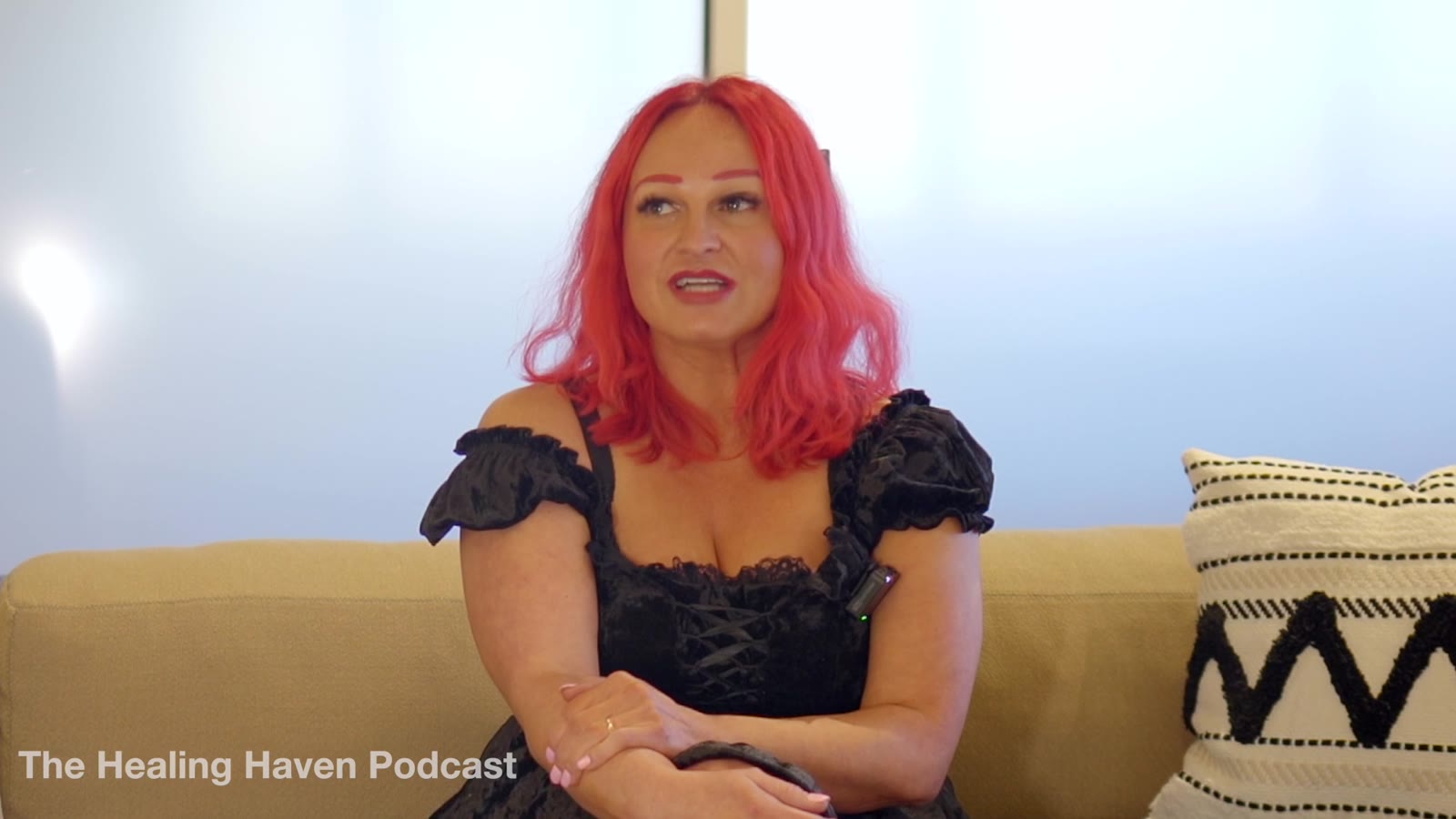
Here's what I'd ask anyone who thinks a name change is a hiding place to consider: how many De-Lovelys do you know? If I wanted to disappear, I would have picked something ordinary. Instead I picked a name almost nobody on earth has, put it on the door of a clinic, on a website, on a podcast, and on this blog. My previous names are right here in this paragraph.
This is not a way to avoid anything. If anything, I'm putting myself out there. — 7:52
"Did you do something wrong?"
Someone in the room asked me the question straight, and I want to answer it straight here too.
Yes, I did something wrong. — 9:38
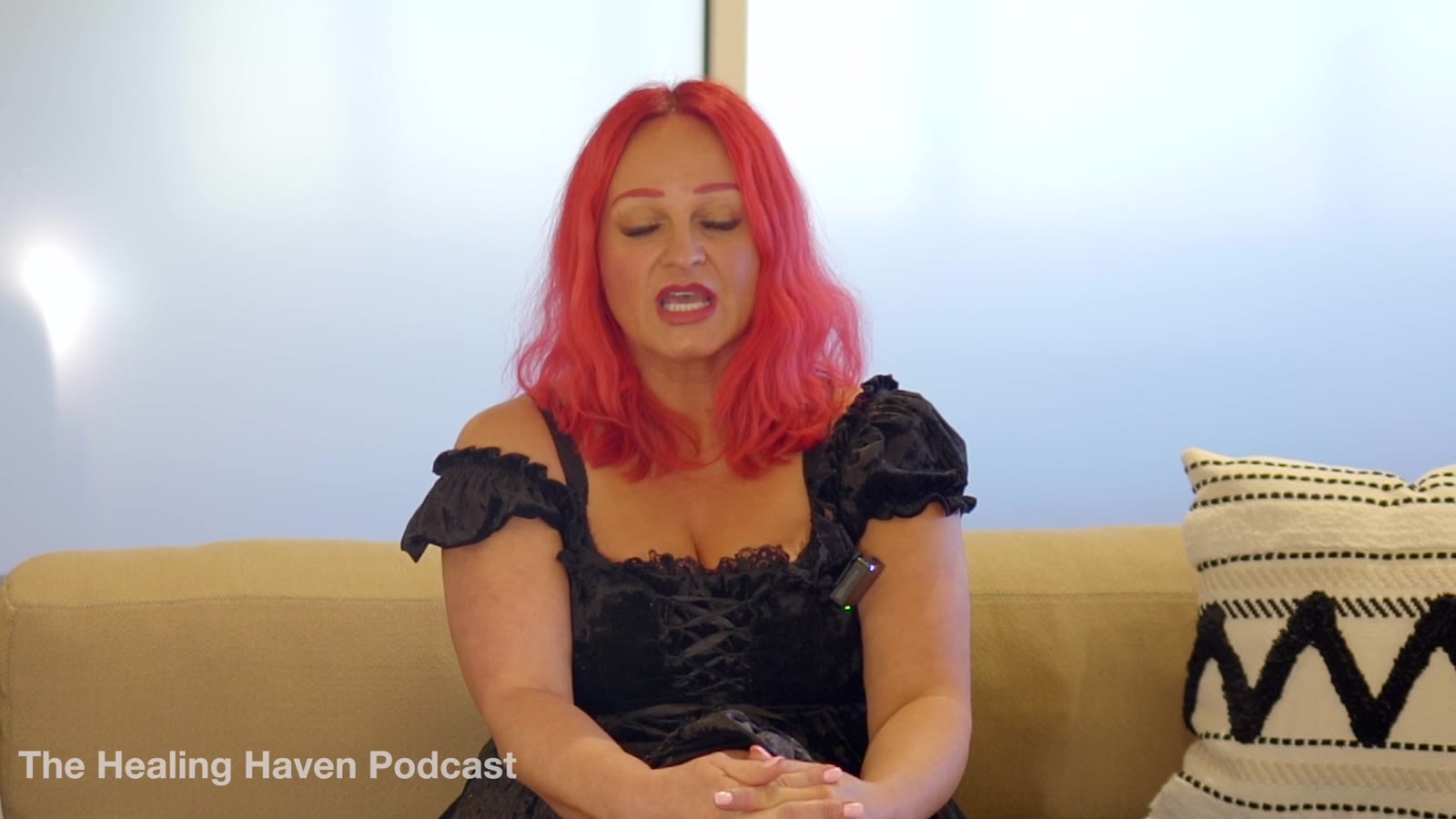
Twenty years ago I went against the code of ethics of my profession. But the mistake I own the most isn't even that one. It's what came after.
The biggest issue that I did was not address it immediately. Because if I had addressed it immediately, I probably wouldn't have lost my license. But I was so embarrassed. I was so humiliated. Oh, so much shame. Like, Helen, how could you do that? — 9:50
The follow-up question was the right one: how can you guarantee it won't happen again? Here's my answer, and it isn't a promise — it's a set of guardrails.
I consult. I have healthy relationships with other therapists I trust, and any time there's a question of ethics, I ask them. I ask the board. I ask whoever I need to. At twenty-five I had nobody checking me. Now I've built that in on purpose.
I've done my own work — a lot of it. I did ketamine therapy once a week for a full year. I did neurofeedback twice a week for a full year. I'm still in therapy. I don't ask a client to do anything I haven't been willing to do first.
And I have balance now, which I did not have at twenty-five with no days off and a divorce and a practice I was running by myself. My kids are grown. I am, as the interviewer put it, hyper-aware.
You kidding me? That's never gonna happen again. — 9:26
For the record: the reviews
Now the part that isn't about 2006. It's about the last year.
Since before The Healing Haven existed, the same one-star "review" has been posted on Google — never by a client, always the same script about my license. Here's the pattern, in the open, next to the truth. (Every one of these is documented with screenshots on my story page, with the reviewer names redacted.)
Late 2025 — a former employer's page. It started on the Google listing of a clinic where I used to work. One review on the account, ever. "In the past she had her license revoked by the state of Utah… I feel that her clients should know this in advance."
June 2026 — The Healing Haven, days after we opened. Same text, lightly reworded. "…has had her license revoked and put on probation in the past by Utah's DOPL… Her clients should know this in advance." Flagged. Removed by Google. When it came down, my reply to it disappeared with it.
June 19, 2026 — back within days, marked "New." Word for word the same. Flagged again. Removed again.
August 6, 2026 — a new account, zero reviews, zero photos, and a new line. This time it added the claim about my name: "…including her name change while going through the disciplinary process. I feel that someone seeking mental health help should know about there therapists career choices…" Quoted exactly as posted, spelling included.
Four postings. Three account names, each with one review or none, no photos, profiles locked. Two businesses targeted. Zero of them from anyone who was ever a client of mine.
That's not what a client looks like. That's what a campaign looks like.
And the collateral damage is real. My former employer — a practice that had nothing to do with any of this — got hit hard enough that they ended up pulling their page down rather than keep fighting it. A good clinic, taken offline, because someone wanted to hurt me and didn't care who was standing next to me.
I know who you are
I'm going to say this once, clearly, and then I'm going to move on with my life.
This isn't a stranger. It isn't a concerned former client. It's someone from my past — someone who has known me for a very long time — and a member of my own family has confirmed it. I'm not going to put a name in a blog post. I don't have to.
Because here's what's changed since we recorded that episode: we have retained an attorney, and we are filing a civil stalking injunction. Every posting, every account name, every timestamp, every removal and every re-post has been documented for months. Screenshots, dates, Google's own takedown records. All of it.
So, to the person doing this — if you're reading this, and I think you are — you'll be hearing from our lawyers.
Thank you for reading this far.
On the podcast, before I knew how far this would go, I was gentler about it. I'll leave that in, because it's still what I'd rather be true:
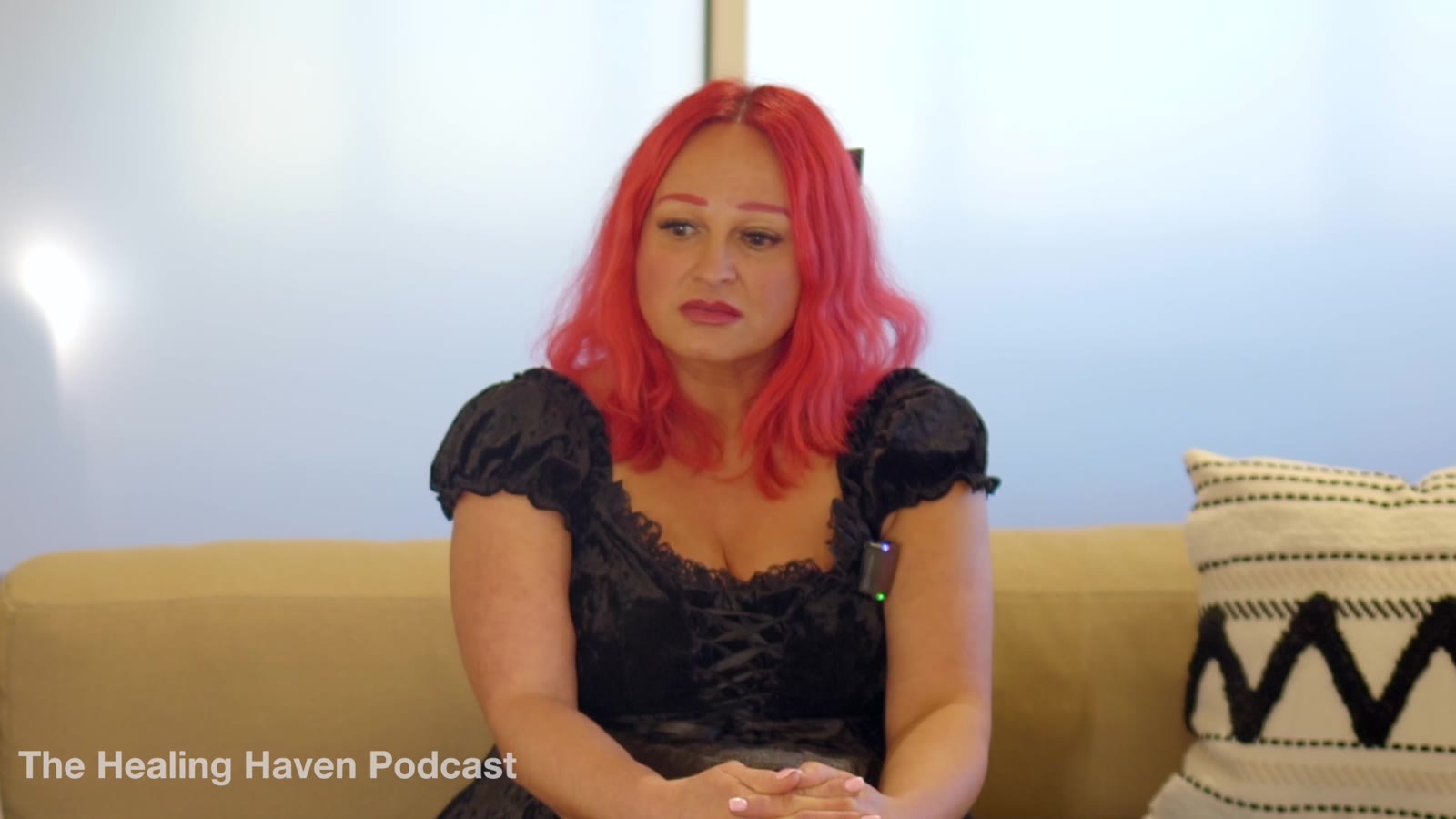
For the person who continues to post these enlightening messages: I would encourage you to explore other options in your life that give you joy instead of this option. — 11:52
And if they truly are worried about the mental health of my clients? They've got nothing to worry about.
Why I'm telling it myself
I could have kept quietly flagging reviews forever. Instead I did a podcast episode, built a whole page about it, and wrote this. Here's why.
I'm sharing it publicly now because I'm taking back control. I'm really tired of women especially having this uphill battle with reclaiming who they are and wanting something more — and having other people feel the need to damage that. — 8:18
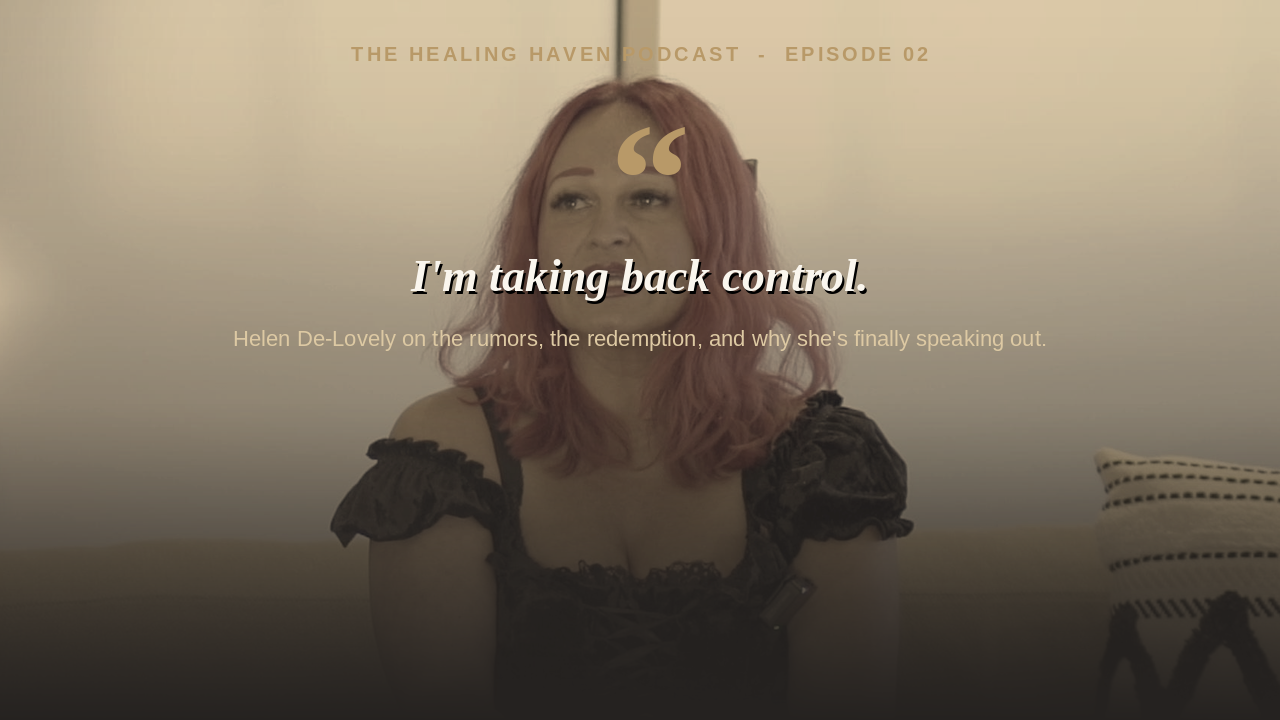
It isn't going away. It happened to me. So I'd rather it be explained, fully, in my own words, somewhere permanent — instead of in a review that gets removed and re-posted and removed again while my clients wonder what's true.
It's something that I'm not ashamed of anymore. I took the steps. I did the work. I deserve to be here. I want to be here. — 12:27
And honestly? My own history is part of why I'm good at this now. Having lost everything and clawed it back has given me a kind of empathy — and a respect for self-determination — that I didn't have at twenty-five. I know what it is to be defined by the worst thing you've done. I know what it takes to refuse that.
If you're a client, or thinking about becoming one
You're allowed to have questions about this. I'd be worried if you didn't.
So, two things. One: I am very open and willing to discuss it — answer any question, provide whatever you need to feel confident that the steps were taken — and then we can work through it together. Two: if after that I'm still not the right fit for you, that's okay. Honestly. There are plenty of other therapists in Salt Lake City who might be a better fit, and I'll help you find one.
I share this with my clients directly, because it's public knowledge and I'd rather they hear it from me. And I want to say this part slowly, because it's the part that got to me on the couch:
My clients have been so supportive to me. I have received nothing but support from my clients. — 13:27
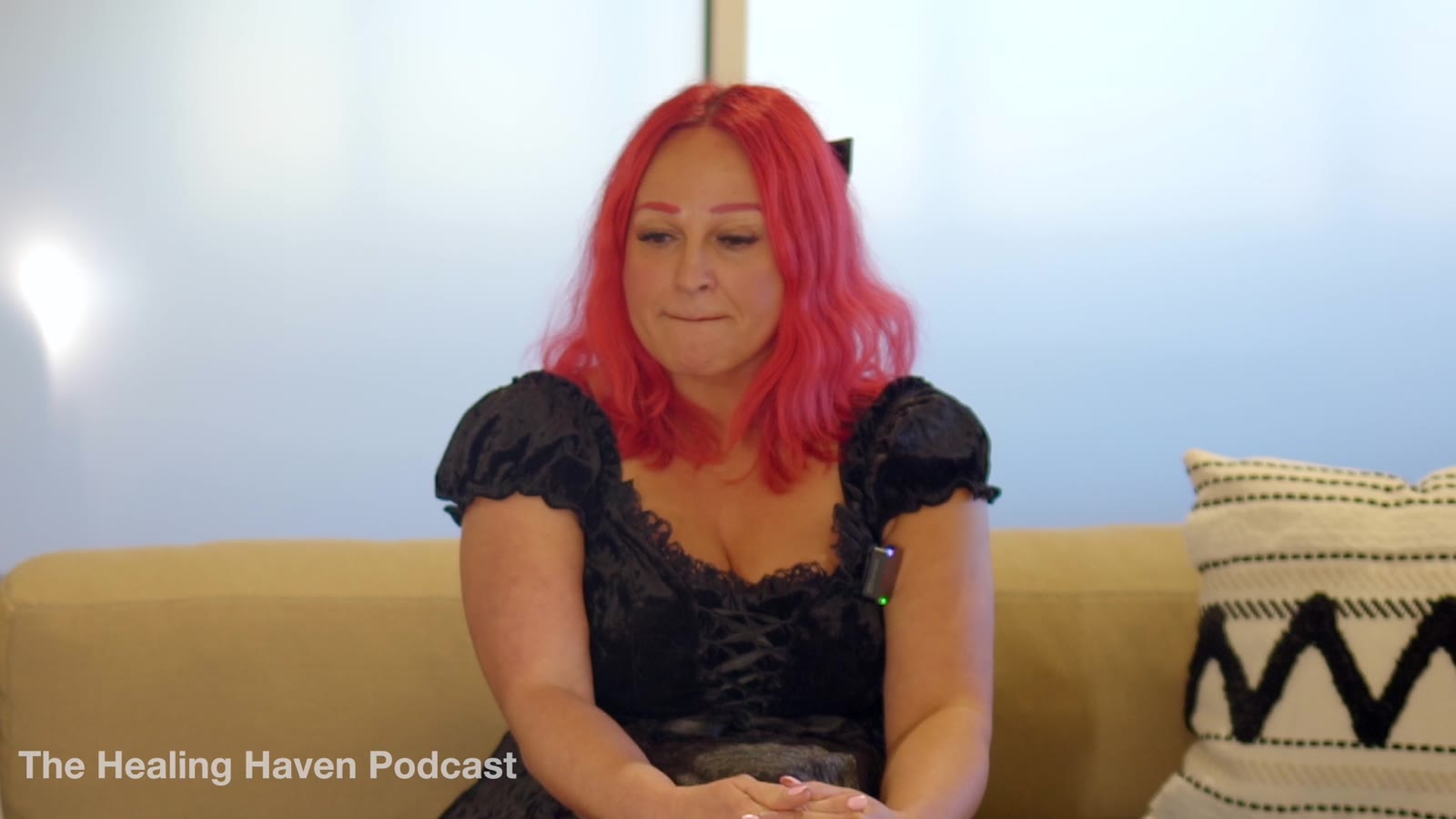
That's the review that matters.
If you're a therapist in the hard part right now
When my license was revoked, colleagues stopped talking to me. Therapists — people trained in compassion — just refused to return my calls.
There were so many therapists that just refused to talk to me. — 14:35
Then, on the couch, someone pointed out: and look at you now, you're doing a therapist conference. Which is true. On September 18, at the Hyatt Regency, I'm helping put on PracticeCon — a full day for Utah therapists on the business side of running a practice. The woman nobody would call back is now the one renting the ballroom.
So if you're a clinician reading this from inside the worst year of your career, here's what I know:
You don't ever give up on yourself and what you believe, even if everyone around you is saying stop, don't do it — even if years pass, a decade passes. You just don't stop fighting for what you believe in. — 14:02
This is not the end of your career. It's easier to go hide and let our dreams die. Don't.
The ending they didn't see coming
At the end of the episode, the interviewer said "we have something we'd like to give you," and I said "you're still filming?" — and they handed me a book.
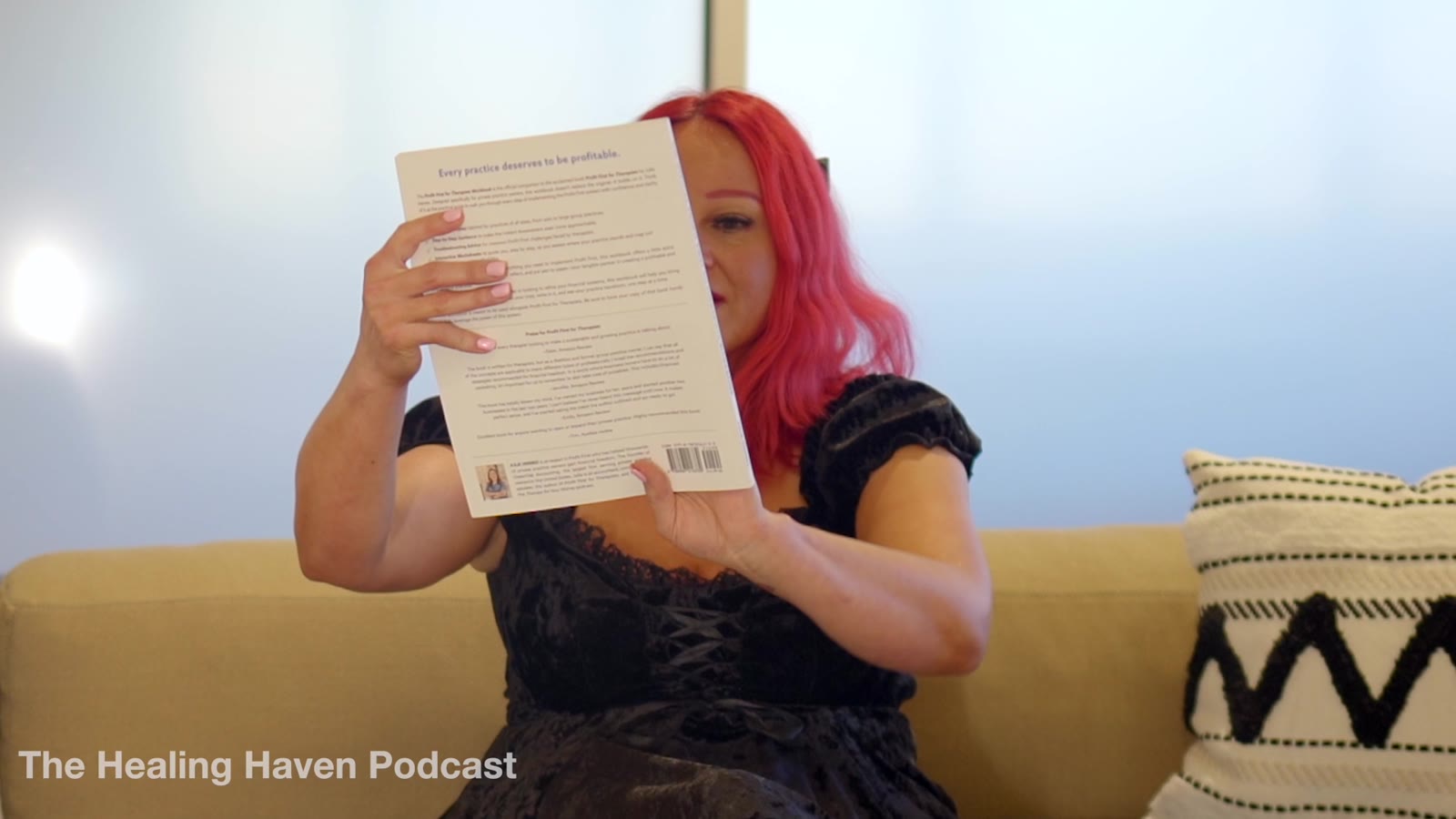
Profit First for Therapists by Julie Herres — who has helped thousands of private practice owners get their financial house in order. It's a small thing. But it's a gift for a practice owner, handed to me on camera, in a clinic with my name on it, twenty years after I was told this part of my life was over.
That's the whole story. Now you know.
Watch the full episode on YouTube · Read the timeline and the exhibits · Book a free 15-minute consult — ask me anything
Helen De-Lovely, LCSW, is the founder and Clinical Director of The Healing Haven in Salt Lake City, where she works with clients on trauma, adult ADHD, and nervous-system healing through EMDR and somatic approaches. Her Utah clinical social work license is active and in good standing; her full licensing history, including the 2006 revocation and subsequent probation, is public record and can be verified through the Utah Division of Professional Licensing (DOPL). Quotes in this post are transcribed from Episode 2 of The Healing Haven Podcast, recorded in front of a live audience in Salt Lake City, and lightly trimmed for readability; timestamps link to the moment in the video. Review excerpts are quoted exactly as posted, with reviewer account names redacted. The Healing Haven has retained counsel regarding the postings described above; nothing here is legal advice, and no individual is named or accused in this post. If you're in crisis, call or text 988.